
Bend Curtain Track for L-Shaped Rooms: Complete DIY Guide
Published 17 October 2025
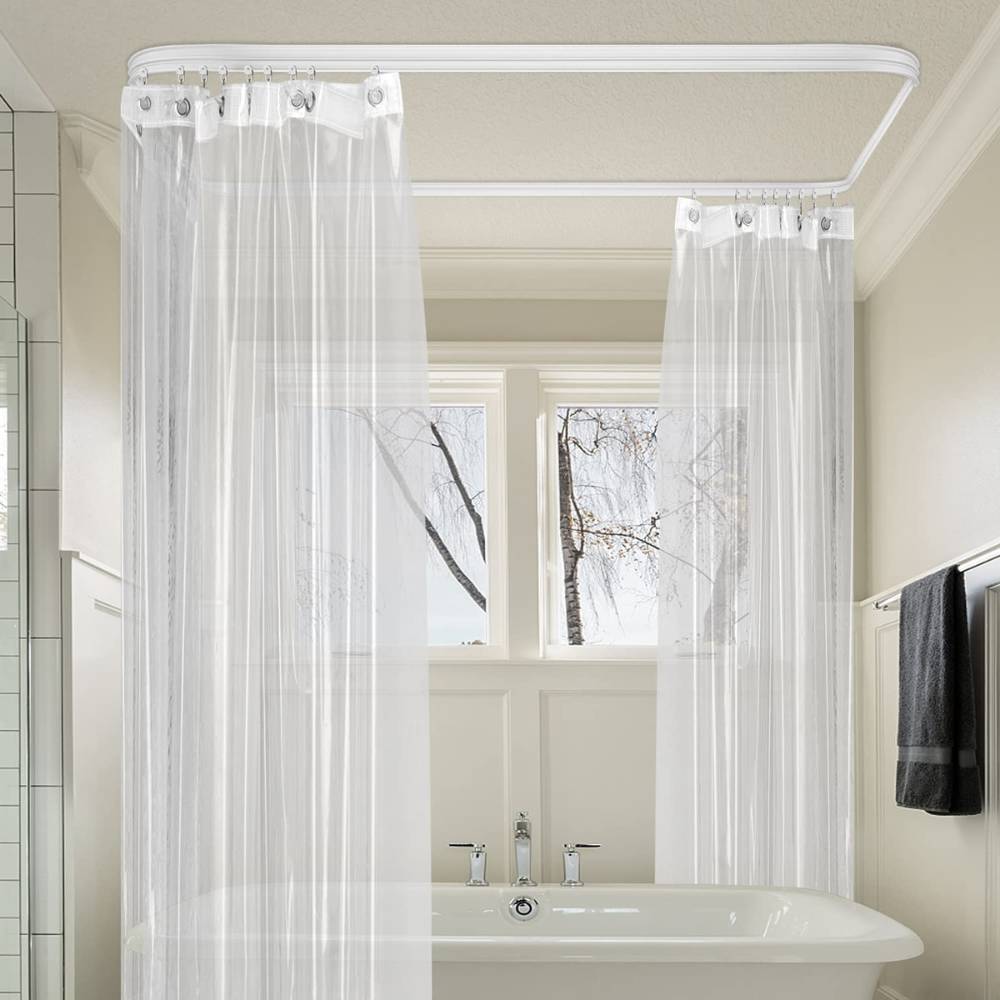
How to Bend Curtain Track for L-Shaped Rooms: Your Complete Guide to Perfect Corner Solutions
Ever wondered how to get curtains to work perfectly around those tricky L-shaped room corners?
Fast delivery direct to your door all across Australia You're not alone! L-shaped rooms present unique challenges when it comes to curtain installation, but with the right techniques and knowledge, you can achieve a professional-looking result that flows seamlessly around corners. The good news is that bending curtain track is actually way easier than you think, and we're here to walk you through every step of the process. read more....Understanding L-Shaped Room Challenges
L-shaped rooms are becoming increasingly popular in modern home design, but they can be a real headache when it comes to window treatments. These spaces often feature continuous windows that wrap around corners, creating a need for curtain solutions that can navigate the bend smoothly. Traditional straight curtain tracks simply won't cut it in these situations. Think of it like trying to fit a straight road through a mountain pass, you need curves to make it work naturally. The same principle applies to curtain tracks in L-shaped spaces. When you're dealing with corner windows or wrap-around glazing, your curtain system needs to be as flexible as your room design.Common Problems with Corner Curtain Installation
Most homeowners face several challenges when tackling corner curtain installations. Gaps at the corners are probably the most frustrating issue, where light leaks through and privacy gets compromised. Then there's the problem of curtains bunching up awkwardly at the bend, creating an unsightly bulge that disrupts the clean lines of your room. Another common headache is curtains that don't draw smoothly around corners. You pull the cord or push the curtain, and it gets stuck at the bend, leaving you with a half-closed curtain that defeats the whole purpose. These issues often stem from using the wrong type of track or attempting to force straight tracks to work in curved applications.Types of Curtain Tracks Suitable for Bending
Not all curtain tracks are created equal when it comes to bending capabilities. Understanding which types work best for L-shaped installations can save you time, frustration, and potentially expensive mistakes.Aluminum Curtain Tracks
Aluminum tracks are the gold standard for bendable curtain solutions. They offer the perfect balance of flexibility and strength, allowing you to create both gentle curves and sharp 90-degree angles without compromising structural integrity. The lightweight nature of aluminum makes it easier to work with, and it won't sag over time like some heavier materials might. What makes aluminum particularly suitable is its memory properties, once bent, it holds its shape reliably. Quality Curtain Track Company Australia products often feature specially designed aluminum profiles that are engineered specifically for bending applications.Flexible PVC Tracks
PVC tracks offer incredible flexibility and are often the go-to choice for complex curves and multiple bends. They're like the yoga instructors of the curtain track world, incredibly flexible and able to twist into positions that would break other materials. However, they may not provide the same smooth operation as aluminum for heavy curtains.Steel Tracks for Heavy-Duty Applications
When you're dealing with heavy curtains or extra-wide spans, steel tracks might be necessary. While they're more challenging to bend, they provide unmatched strength and durability. Think of them as the bodybuilders of curtain tracks, strong and reliable, but requiring more effort to manipulate.Essential Tools for Bending Curtain Track
Having the right tools makes all the difference between a professional-looking installation and a frustrating DIY disaster. Let's break down what you'll need to get the job done right.Track Bender Tools
A dedicated track bender tool is your best friend for creating precise, clean bends. These specialized tools are designed to apply even pressure along the track, preventing kinks or flat spots that could impede curtain operation. While you might be tempted to skip this tool, it's worth the investment for a professional result.Alternative Bending Methods
If you don't have access to a track bender, a pipe bender from your local hardware store can work as an alternative. You can also use a large diameter pipe or cylinder as a forming tool for gentle curves. Some DIY enthusiasts even use their knee as a bending guide for very gentle curves, though this requires a delicate touch.Measuring and Marking Tools
Precision is key when bending curtain tracks. You'll need a quality tape measure, pencil for marking, and ideally a flexible measuring tape that can follow curves. A protractor can help ensure your corner angles are exactly what you need.Step-by-Step Guide to Bending Curtain Track
Now let's dive into the actual process. Remember, patience is your best tool here, rushing leads to mistakes that are difficult to fix.Planning and Measuring
First, mark where your corner needs to bend on the track. Use your room measurements to determine exactly where the bend should start and end. It's helpful to create a paper template first, especially for complex curves. This gives you a chance to test your measurements before committing to the actual track. Measure twice, cut once, and in this case, measure twice, bend once. Getting the positioning wrong means starting over with a new piece of track, which nobody wants to do.Creating the Bend
For most aluminum tracks, you can create gentle curves by hand, but for sharp 90-degree turns, use a track bender tool or even a pipe bender from your local hardware store. The key is making small incremental bends rather than forcing one big bend that could crack your track. Think of it like slowly turning a ship rather than yanking the wheel hard to one side. Work slowly and test fit as you go. Each small adjustment brings you closer to the perfect curve without risking damage to your track. Start your bend slightly before where you actually need the curve to begin. This creates a more natural transition and ensures smooth curtain operation. The track should flow like water around the corner, not jerk suddenly into a new direction.Testing the Bend
After each adjustment, test fit the track against your window or wall. Check that the curve follows your intended path and that there are no flat spots or kinks. Run your finger along the inside of the track, it should feel smooth with no catches or rough spots that could snag curtain runners.Installation Techniques for Bent Curtain Tracks
Installing a bent curtain track requires some special considerations that differ from straight track installation.Bracket Placement for Corners
Once bent, mount your brackets at the corner points for extra support. Corner areas experience more stress than straight runs, so additional brackets here prevent sagging and ensure smooth operation over time. Place brackets no more than 18 inches apart in curved sections, closer than you might for straight runs. The Ceiling Curtain Track installation method often provides the strongest support for bent tracks, distributing weight more evenly than wall-mounted systems.Ensuring Smooth Operation
The goal is curtains that glide effortlessly around your corner. This means paying attention to the internal finish of your bent track and ensuring that runners or gliders can navigate the curve without binding. Sometimes a light application of silicone spray can help runners move more smoothly through bent sections.Troubleshooting Common Bending Issues
Even with careful planning, you might encounter some challenges. Here's how to address the most common problems.Preventing Track Cracking
The most common mistake is trying to create too sharp a bend too quickly. If you notice any hairline cracks forming, stop immediately. Sometimes you can salvage the track by annealing the area with gentle heat, but prevention is always better than attempting repairs.Fixing Uneven Curves
If your curve isn't smooth, you can often correct it by working the track gently back and forth while supporting it properly. Small irregularities can usually be smoothed out, but major kinks might require starting over with fresh track material.Addressing Operational Issues
If curtains don't run smoothly after installation, check for internal burrs or rough spots created during bending. Light sanding with fine-grit sandpaper can often resolve these issues.Professional vs DIY Installation
While bending curtain track is definitely a DIY-friendly project, there are times when calling in professionals makes sense.When to Call the Experts
Complex multi-corner installations, very heavy curtains, or situations requiring structural modifications might warrant professional installation. If you're uncomfortable with the tools required or lack confidence in your measuring abilities, professional installation ensures a perfect result the first time. Many local curtain track specialists offer installation services and can often complete the job faster than a DIY approach, especially for complex layouts.Cost-Benefit Analysis
Consider your time, tool investment, and confidence level when deciding between DIY and professional installation. Sometimes the peace of mind and guaranteed results of professional installation justify the investment, especially for prominent rooms or expensive window treatments.Maintenance of Bent Curtain Tracks
Bent curtain tracks require slightly more attention than straight installations, but proper maintenance keeps them operating smoothly for years.Regular Cleaning and Lubrication
Dust and debris can accumulate in curved sections more readily than in straight runs. Regular vacuuming of track channels prevents buildup that could impede smooth operation. A quarterly application of appropriate lubricant keeps runners moving freely.Checking for Wear Points
Corner areas experience more wear than straight sections, so inspect these areas regularly for signs of excessive wear or damage. Catching issues early prevents more extensive problems later.Advanced Bending Techniques
Once you've mastered basic corner bends, you might want to tackle more complex curves and shapes.Creating Compound Curves
Some room layouts require tracks that curve in multiple planes, both horizontally around corners and vertically to follow ceiling lines or architectural features. These compound curves require careful planning and often benefit from creating full-scale templates before bending the actual track.Multiple Corner Solutions
Rooms with multiple corners or bay window arrangements need tracks that navigate several direction changes. The key is maintaining consistent curve radii and ensuring adequate support at each direction change.Choosing the Right Track System
The success of your L-shaped room curtain installation depends heavily on selecting the appropriate track system from the start.| Track Material | Flexibility | Strength | Best Use | Bending Difficulty |
|---|---|---|---|---|
| Aluminum | High | Very Good | Most applications | Easy to Moderate |
| PVC | Very High | Good | Complex curves | Very Easy |
| Steel | Moderate | Excellent | Heavy curtains | Difficult |
| Flexible Composite | Very High | Good | Multiple curves | Easy |